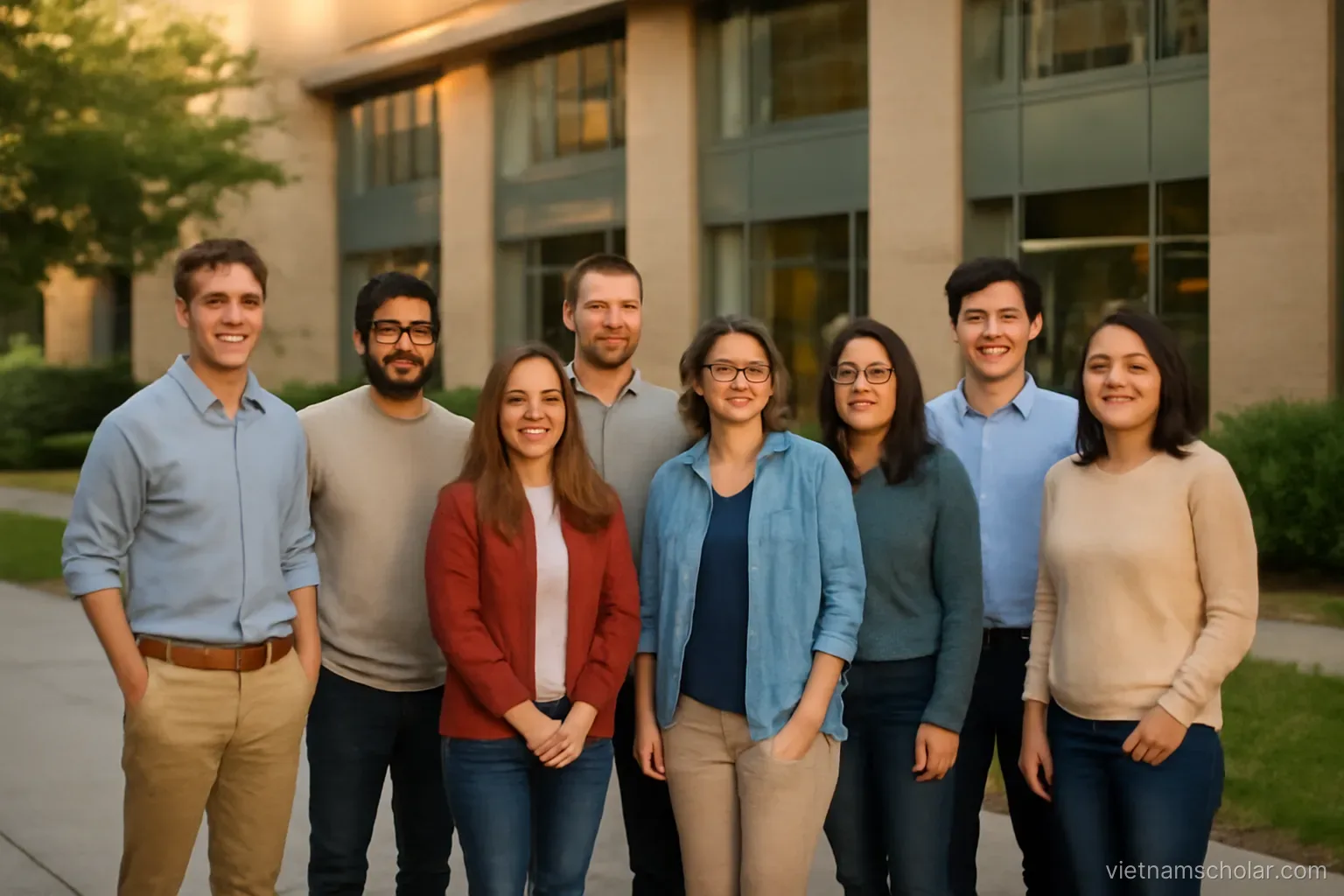
Training budgets tend to go to the most mobile, most fluent, most internationally oriented person in the group.
That person is also, statistically, the one least likely to be there in three years — which means the capability leaves with them and the group is where it started.
Choosing who to train
- Prioritise people with long-term commitment to the institution.
- Include technical staff, who typically stay longest.
- Train at least two people in any critical skill.
- Let the partner choose, and ask them who will still be there.
Making training stick
- Train on the equipment they will actually use, in their setting.
- Written protocols in their working language, not only demonstrations.
- Have the trainee teach someone else — that is the real test.
- Schedule follow-up support after the first independent attempt.
- A one-week visit with no follow-up rarely transfers anything durable.
Beyond technique
- Study design and analysis matter more than instrument operation.
- Grant writing skills change what a group can do independently.
- Data management practice outlasts any specific technique.
- Manuscript writing is often the binding constraint on output.
Two-way transfer
- Local partners hold field methods and contextual knowledge you do not.
- Ask what you should learn from them, explicitly.
- A partnership where learning flows one way is a service contract.
Equipment and materials
- Leave equipment only where consumables and maintenance are available.
- Budget maintenance for the expected lifetime.
- Provide manuals and service contacts in usable form.
- Unmaintainable equipment is a liability, not a gift.
One thing worth remembering
The test of successful training is that the trainee can teach it to someone else.
Anything short of that leaves the capability attached to a single person, and single points of failure in a small group are how three years of investment disappears when one person changes job.
Câu hỏi thường gặp
Who should be selected for training?
People with long-term commitment to the institution including technical staff who typically stay longest, at least two people per critical skill, chosen by the partner.
How do you make training stick?
Train on the equipment they will actually use in their setting, provide written protocols in their working language, have the trainee teach someone else, and schedule follow-up support.
What should training cover beyond technique?
Study design and analysis, grant writing which changes what a group can do independently, data management practice, and manuscript writing which is often the binding constraint.
Should knowledge transfer be two-way?
Yes — local partners hold field methods and contextual knowledge you do not, and a partnership where learning flows one way is a service contract.
What is the test of successful training?
That the trainee can teach it to someone else — anything less leaves the capability attached to one person and vulnerable to them changing job.