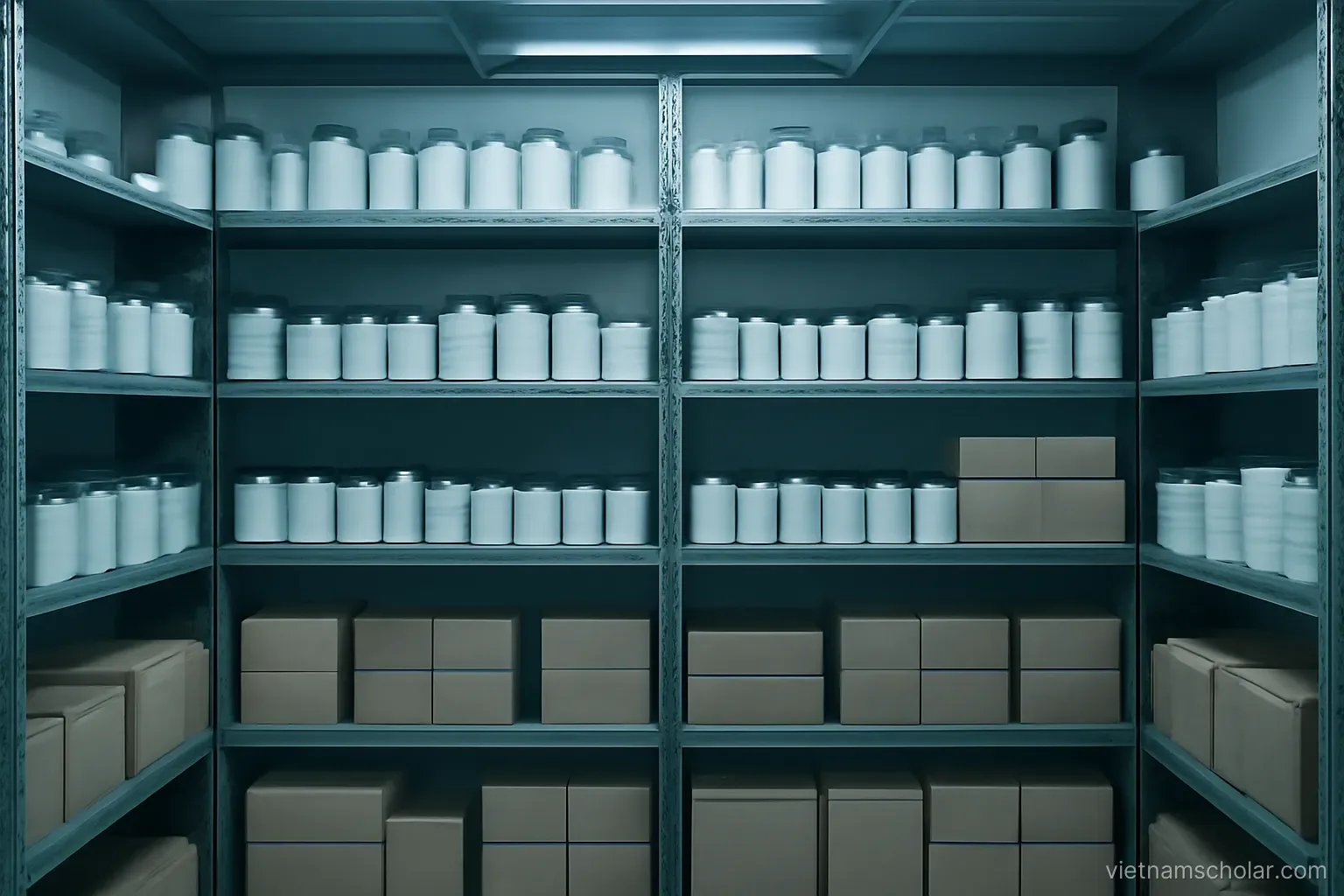
Visiting collaborators often assume the constraint is whether an instrument exists. Frequently it does.
What limits actual throughput is the supply chain around it — consumables with long import lead times, a service contract that lapsed, a single trained operator with a teaching load.
What actually limits use
- Consumables and reagents with import lead times measured in months.
- Service contracts that are expensive to maintain in foreign currency.
- A single trained operator who also teaches.
- Power stability for long unattended runs.
- Competing demand from other groups on the same instrument.
Questions to ask
- When did this last run, and for how many samples?
- Who is trained to operate it, and how many people?
- What is the lead time for consumables?
- Is there a current service arrangement?
- How is time allocated when several groups need it?
Planning around it
- Order consumables far earlier than seems necessary.
- Budget for a buffer stock.
- Consider shipping samples out for steps that cannot be done reliably locally.
- Build the protocol around what runs consistently, not around what exists.
If you are contributing equipment
- Fund maintenance for the expected lifetime, not just the purchase.
- Confirm consumables can be obtained locally or budget for import.
- Train more than one operator.
- Provide documentation and a service contact in usable form.
- Equipment without a maintenance plan becomes a liability within two years.
Shared and national facilities
- Some capabilities sit in shared national facilities rather than individual institutions.
- Access processes and lead times vary; ask your partner to explain them.
- Regional facilities may be an option for specialised work.
One thing worth remembering
Ask "when did this last run, and how many samples?" rather than "do you have one?"
The instrument's presence tells you almost nothing. Its recent use history tells you whether the consumables, the operator, the service contract and the power supply are all currently aligned — and your project needs all four at once.
Câu hỏi thường gặp
What actually limits use of research infrastructure?
Consumables with import lead times of months, expensive service contracts in foreign currency, a single trained operator who also teaches, power stability, and competing demand from other groups.
What questions should you ask about a facility?
When it last ran and for how many samples, who is trained to operate it and how many people, consumable lead times, whether a service arrangement is current, and how time is allocated.
How do you plan around infrastructure constraints?
Order consumables far earlier than seems necessary, budget for buffer stock, consider shipping samples out for unreliable steps, and build the protocol around what runs consistently.
What if you are contributing equipment?
Fund maintenance for the expected lifetime not just purchase, confirm consumables are obtainable, train more than one operator, and provide documentation and service contacts.
What is the better question than do you have one?
When did this last run and how many samples — presence tells you nothing, while recent use history tells you whether consumables, operator, service contract and power are all currently aligned.